"Your Journey to Studying in the USA Begins with English Academy"
Study in USA
Get detailed insights into universities, tuition costs, scholarships, admission requirements, and more.
Book Free Consultation Now
The USA hosts many of the world’s top-ranked universities, offering industry-aligned programs, interdisciplinary education, and outstanding career growth opportunities.
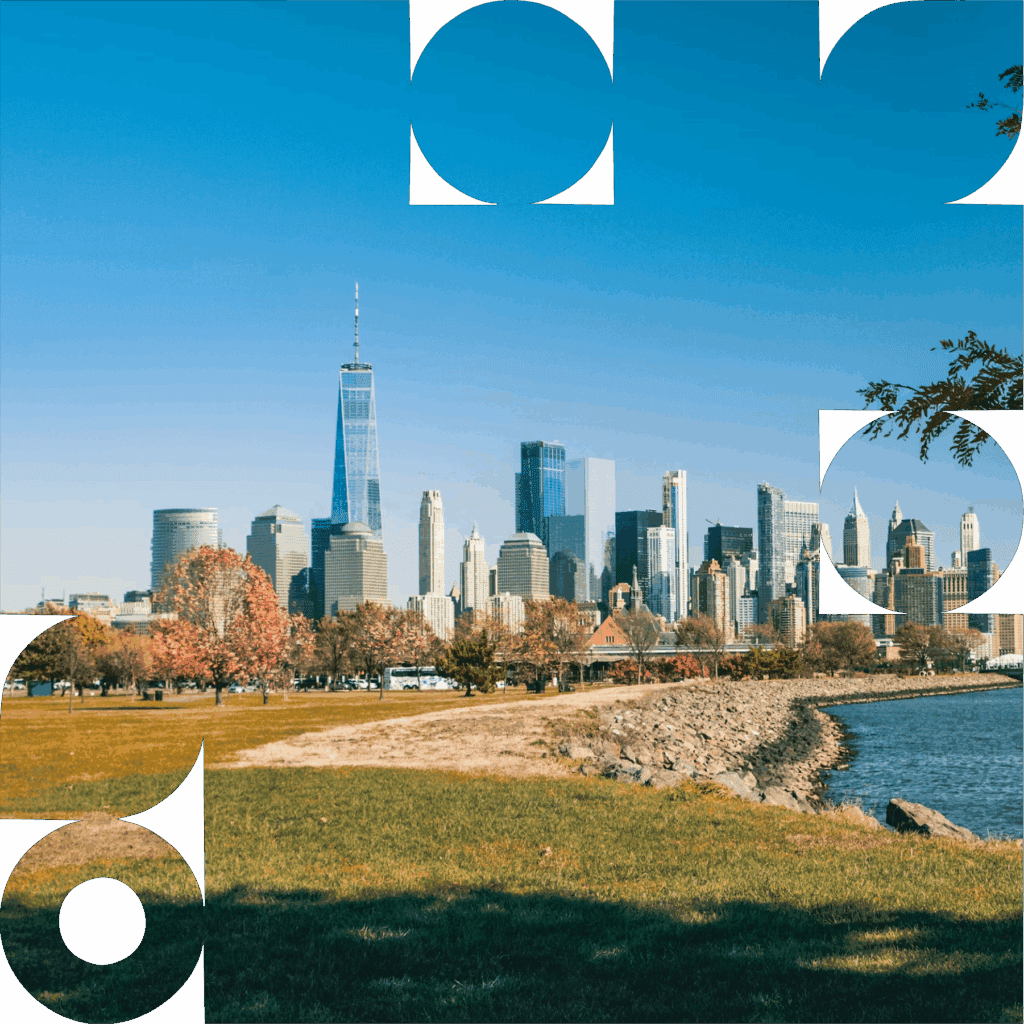
The ultimate destination for all academic, technical and professional developments.
4000+ Colleges & Universities
Top-Ranked Universities
Home to over 190 universities in the QS World Rankings 2025, demonstrating global domination in higher education.
Flexibility in Majors
Colleges in the USA allow students to choose and even change majors after admission with incredible ease.
General Education
Undergraduate programs include diverse courses, helping students build a broad knowledge base and versatile skills.
Post Study Work (OPT)
Through the OPT program, international students can work in the U.S. for 12 to 36 months after graduation.
Abundant Careers
Secure internships and full-time roles with global giants in tech, business, healthcare, and research sectors.
Diverse Communities
Host to cultural communities of residents and international students from nearly every country in the world.
Research Excellence
Benefit from high research spending and resources that lead to global innovations and patents.
World's Largest Market
The U.S. offers a robust economy with high earning potential for skilled international graduates.
Global Networking
Degrees from the USA are respected worldwide, providing an instant boost to your professional profile globally.
Most sought after study abroad destination for international students.

Undergraduate Programs
- Bachelor’s Degrees (4 years)
- Associate Degrees (2 years)
- Certificates and Diplomas (1-2 years)

Postgraduate Programs
- Master’s Degrees (usually 2 years)
- Graduate Certificates & Diplomas (6 months to 1 year)
Top Courses to Study in USA
- Business & Managment
- Computer Science & IT
- Engineering & Technology
- Agriculture & Construction Management
- Social Science & Media
- Accounting & Finance
- Law
- Data Science
- Applied Sciences & Professions
- Artificial Intelligence (AI)
- Business Analytics
- Fashion & Interior Designing
- Nursing
- Arts & Humanities
- Envirnomental Science
Rolling Intakes
U.S. universities offer international students multiple academic programs across three main intakes—Fall, Spring, and Summer. The best intake depends on your chosen program, academic profile, and personal preferences.
| Intakes in USA | Application Deadline | Start Date | Semester Duration |
|---|---|---|---|
| Fall Intake | December – March | August – September | September – December |
| Spring Intake | July – November | January – February | January – April |
| Summer Intake | January – March | May – Early June | May – August |
USA Student Visa Eligibility Requirements

USA Study Requirements & Entrance Exams
Tuition Fees & Scholarships
Tuition fees are a major component of the total cost of studying in the United States. While public universities are generally more affordable, many private universities offer competitive tuition through scholarships, grants, and financial aid for international students.
Scholarships & Financial Aid
Top universities in the USA offer merit-based and need-based scholarships to international students. These awards can significantly reduce tuition costs and are offered based on academic excellence, leadership qualities, and overall profile. Scholarships may range from partial tuition waivers to awards of up to USD 25,000 per year.

Cost of Living for Students in the USA
The United States is one of the most popular study abroad destinations for international students. Before starting their academic journey, students must understand the living expenses involved. The average monthly cost of living in the USA ranges between $2,500 and $3,500, depending on the city, lifestyle, and personal spending habits.
| Type of Expense | Avg. Monthly Cost (USD) | Avg. Monthly Cost (INR) |
|---|---|---|
| Accommodation | $600 – $1,000 | ₹51,300 – ₹85,500 |
| Food | $250 – $400 | ₹21,377 – ₹34,200 |
| Travel (Monthly Pass) | $50 – $130 | ₹4,275 – ₹11,100 |
| Health Insurance | $60 – $90 | ₹5,130 – ₹7,695 |
| Utilities & Internet | $100 – $200 | ₹8,550 – ₹10,261 |
Estimated annual living cost: approximately $30,000 – $42,000. We also assist students in finding budget-friendly accommodation options in the USA.
Job Prospects in the USA
Premium universities, diverse cultures, and strong career opportunities make the United States one of the most preferred study destinations for Indian students. International students can work part-time during studies and gain professional exposure through CPT and OPT after graduation.
| Employment Sector | Job Roles |
|---|---|
| Consulting | Administrative Assistant, Research Analyst, Consultant, Project Manager, Senior Consultant, Managing Director |
| Education | Teaching Assistant, Tutor, Lab Assistant, Teacher, Curriculum Developer, Professor, Dean |
| Engineering | Design Engineer, QA Analyst, Project Engineer, Environmental Engineer, CAD Drafter |
| Finance | Financial Analyst, Accountant, Actuary, Investment Banker, Risk Manager |
| Government | Policy Analyst, Program Assistant, Public Administrator |
| Healthcare | Nursing Assistant, Medical Assistant, Lab Technician, Pharmacist, Physician |
| Hospitality | Front Desk Agent, Restaurant Manager, Event Planner, Hotel Manager |
| Research | Research Assistant, Research Scientist, Data Analyst, Postdoctoral Fellow |
| Retail | Sales Associate, Store Manager, Buyer, Supply Chain Analyst |
| Technology | IT Support, Software Developer, Web Developer, Data Analyst, Cybersecurity Analyst |
Work Opportunities for International Students
International students can work up to 20 hours per week during academic sessions and full-time during scheduled breaks.
CPT allows students to work in roles directly related to their field of study. Part-time CPT is unlimited, but completing 12 months of full-time CPT makes students ineligible for OPT.
After graduation, students can work in the USA for 12 months on OPT. STEM graduates receive an additional 24-month extension, allowing a total of 3 years of work authorization.
Common Questions
F-1 Student Visa Process
Indian students aiming to study in the USA must obtain an F-1 visa. After getting admission from an SEVP-certified university, students receive Form I-20 and must complete DS-160, pay the SEVIS fee, and attend the visa interview.
Submit bank statements or official loan letters showing funds for at least the first year of study.
The university issues Form I-20 after admission. This is essential to apply for the F-1 visa.
Pay the SEVIS fee and obtain the confirmation receipt, required for the visa application.
Complete the DS-160 online visa application form and print the confirmation page.
Attend the F-1 visa interview at the U.S. Embassy or Consulate with all required documents.
Get ethical and professional guidance to ensure a smooth visa process from start to finish.
What is AIRC Certification?
The Association of International Enrollment Management (AIRC) is a premier non-profit organization that establishes rigorous ethical standards for international student recruitment. It ensures that agencies follow best practices, transparency, and integrity in guiding students to U.S. institutions.